

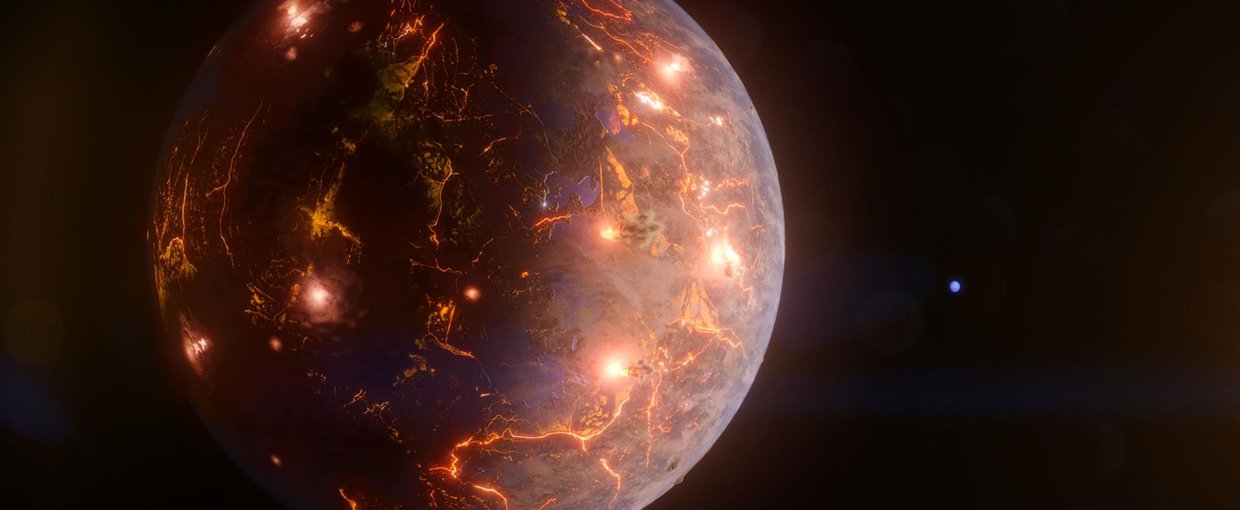
Unterborn, C. T., Foley, B. J., Desch, S. J., Young, P. A., Vance, G., Chiffelle, L., & Kane, S. R. (2022). Mantle Degassing Lifetimes through Galactic Time and the Maximum Age Stagnant-lid Rocky Exoplanets Can Support Temperate Climates. The Astrophysical Journal Letters, 930(1), L6. doi:10.3847/2041-8213/ac6596
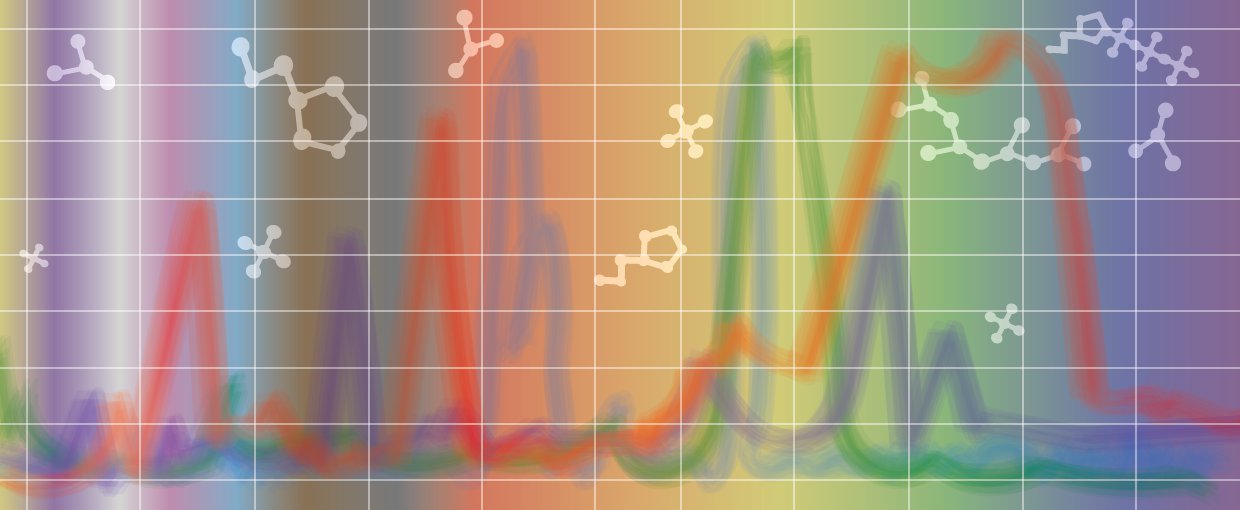
Bhartia, R., Hug, W. F., Reid, R., Nguyen, Q., Perry, R., Sijapati, K., & Reid, M. (2022). MAESTRO: high speed, wide field microbial detection using deep uv spectroscopy. Chemical, Biological, Radiological, Nuclear, and Explosives (CBRNE) Sensing XXIII. doi:10.1117/12.2619016
Chevrier, V. F., Fitting, A. B., & Rivera-Valentín, E. G. (2022). Limited Stability of Multicomponent Brines on the Surface of Mars. The Planetary Science Journal, 3(5), 125. doi:10.3847/psj/ac6603
Sabbah, H., Carlos, M., Jenniskens, P., Shaddad, M. H., Duprat, J., Goodrich, C. A., & Joblin, C. (2022). Detection of Cosmic Fullerenes in the Almahata Sitta Meteorite: Are They an Interstellar Heritage? The Astrophysical Journal, 931(2), 91. doi:10.3847/1538-4357/ac69dd
C, M., Frenkel-Pinter, M., Smith, K. H., Rivera-Santana, V. F., Sargon, A. B., Jacobson, K. C., … Hud, N. V. (2022). Water-Based Dynamic Depsipeptide Chemistry: Building Block Recycling and Oligomer Distribution Control Using Hydration–Dehydration Cycles. JACS Au. doi:10.1021/jacsau.2c00087
Ku, Y., Petaev, M. I., & Jacobsen, S. B. (2022). The Timing of Potential Last Nucleosynthetic Injections into the Protosolar Molecular Cloud Inferred from <sup>41</sup>Ca–<sup>26</sup>Al Systematics of Bulk CAIs. The Astrophysical Journal Letters, 931(1), L13. doi:10.3847/2041-8213/ac666a
Menor‐Salván, C., Burcar, B. T., Bouza, M., Fialho, D. M., Fernández, F. M., & Hud, N. V. (2022). A Shared Prebiotic Formation of Neopterins and Guanine Nucleosides from Pyrimidine Bases. Chemistry – A European Journal. doi:10.1002/chem.202200714
Olson, S., Jansen, M. F., Abbot, D. S., Halevy, I., & Goldblatt, C. (2022). The Effect of Ocean Salinity on Climate and Its Implications for Earth's Habitability. Geophysical Research Letters, 49(10), None. doi:10.1029/2021gl095748
Slagter, S., Hao, W., Planavsky, N. J., Konhauser, K. O., & Tarhan, L. G. (2022). Biofilms as agents of Ediacara-style fossilization. Scientific Reports, 12(1), None. doi:10.1038/s41598-022-12473-1
Wilmeth, D. T., Lalonde, S. V., Berelson, W. M., Petryshyn, V., Celestian, A. J., Beukes, N. J., … Corsetti, F. A. (2022). Evidence for benthic oxygen production in Neoarchean lacustrine stromatolites. Geology. doi:10.1130/g49894.1