

Seales, J., & Lenardic, A. (2020). Deep Water Cycling and the Multi‐Stage Cooling of the Earth. Geochemistry, Geophysics, Geosystems, 21(10), None. doi:10.1029/2020gc009106
Wolf, E. T., Haqq‐Misra, J., Kopparapu, R., Fauchez, T. J., Welsh, W. F., Kane, S. R., … Eggl, S. (2020). The Resilience of Habitable Climates Around Circumbinary Stars. Journal of Geophysical Research: Planets, 125(9), None. doi:10.1029/2020je006576
Carter, P. J., & Stewart, S. T. (2020). Colliding in the Shadows of Giants: Planetesimal Collisions during the Growth and Migration of Gas Giants. The Planetary Science Journal, 1(2), 45. doi:10.3847/psj/abaecc
Doyle, A. E., Klein, B., Schlichting, H. E., & Young, E. D. (2020). Where Are the Extrasolar Mercuries? The Astrophysical Journal, 901(1), 10. doi:10.3847/1538-4357/abad9a
Trudgeon, B., Dieser, M., Balasubramanian, N., Messmer, M., & Foreman, C. M. (2020). Low-Temperature Biosurfactants from Polar Microbes. Microorganisms, 8(8), 1183. doi:10.3390/microorganisms8081183
Mhatre, E., Snyder, D. J., Sileo, E., Turner, C. B., Buskirk, S. W., Fernandez, N. L., … Cooper, V. S. (2020). One gene, multiple ecological strategies: A biofilm regulator is a capacitor for sustainable diversity. Proceedings of the National Academy of Sciences, 117(35), 21647–21657. doi:10.1073/pnas.2008540117
Payré, V., Siebach, K. L., Dasgupta, R., Udry, A., Rampe, E. B., & Morrison, S. M. (2020). Constraining Ancient Magmatic Evolution on Mars Using Crystal Chemistry of Detrital Igneous Minerals in the Sedimentary Bradbury Group, Gale Crater, Mars. Journal of Geophysical Research: Planets, 125(8), None. doi:10.1029/2020je006467
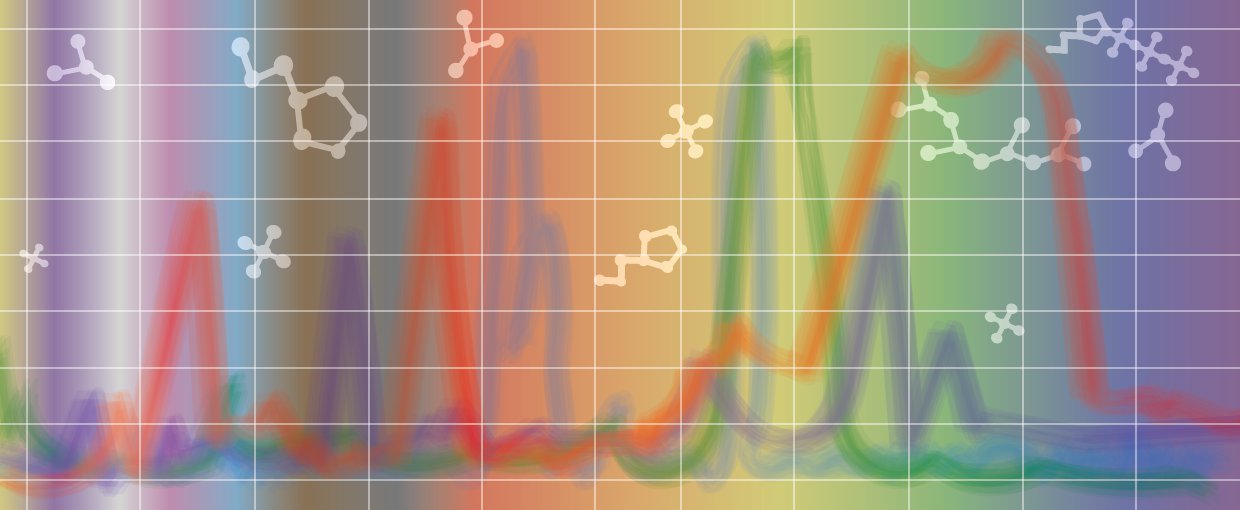
Pidhorodetska, D., Fauchez, T. J., Villanueva, G. L., Domagal-Goldman, S. D., & Kopparapu, R. K. (2020). Detectability of Molecular Signatures on TRAPPIST-1e through Transmission Spectroscopy Simulated for Future Space-based Observatories. The Astrophysical Journal Letters, 898(2), L33. doi:10.3847/2041-8213/aba4a1
Esteves, L., Izidoro, A., Raymond, S. N., & Bitsch, B. (2020). The origins of nearly coplanar, non-resonant systems of close-in super-Earths. Monthly Notices of the Royal Astronomical Society, 497(2), 2493–2500. doi:10.1093/mnras/staa2112
Grewal, D. S., Dasgupta, R., & Farnell, A. (2020). The speciation of carbon, nitrogen, and water in magma oceans and its effect on volatile partitioning between major reservoirs of the Solar System rocky bodies. Geochimica et Cosmochimica Acta, 280, 281–301. doi:10.1016/j.gca.2020.04.023