

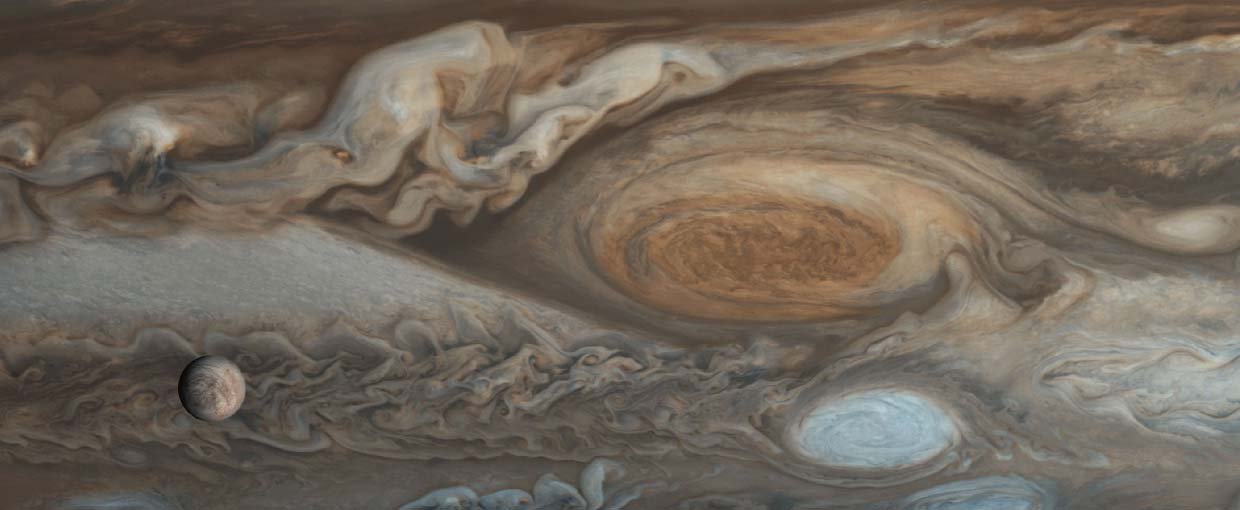
Matteoni, P., Neesemann, A., Jaumann, R., Hillier, J., & Postberg, F. (2023). Evolution of Thrace Macula on Europa: Strike‐Slip Tectonic Control and Identification of the Youngest Terrains. Journal of Geophysical Research: Planets, 128(8), None. doi:10.1029/2023je007905
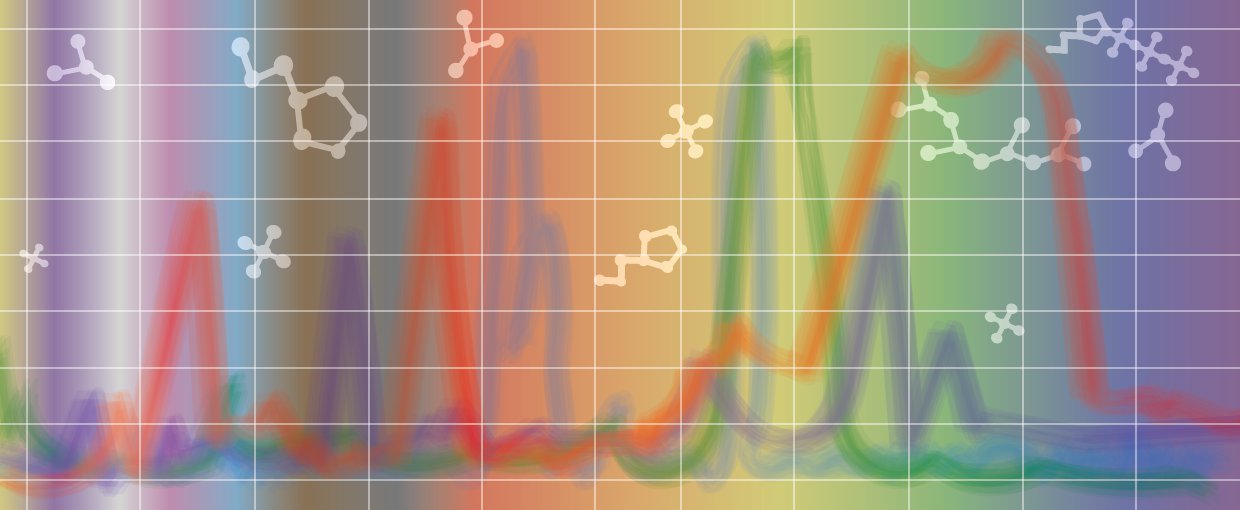
Napoleoni, M., Klenner, F., Hortal Sánchez, L., Khawaja, N., Hillier, J. K., Gudipati, M. S., … Postberg, F. (2023). Mass Spectrometric Fingerprints of Organic Compounds in Sulfate-Rich Ice Grains: Implications for Europa Clipper. ACS Earth and Space Chemistry, 7(9), 1675–1693. doi:10.1021/acsearthspacechem.3c00098
Vu, T. H., Hodyss, R., Johnson, P. V., & Cable, M. L. (2023). Spatial Distribution of Glycine and Aspartic Acid in Rapidly Frozen Brines Relevant to Enceladus. The Planetary Science Journal, 4(8), 156. doi:10.3847/psj/aced90
Francovschi, I., Shumlyanskyy, L., Soesoo, A., Tarasko, I., Melnychuk, V., Hoffmann, A., … Bekker, A. (2023). U–Pb geochronology of detrital zircon from the Ediacaran and Cambrian sedimentary successions of NE Estonia and Volyn region of Ukraine: Implications for the provenance and comparison with other areas within Baltica. Precambrian Research, 392, 107087. doi:10.1016/j.precamres.2023.107087
Farr, O., Hao, J., Liu, W., Fehon, N., Reinfelder, J. R., Yee, N., & Falkowski, P. G. (2023). Archean phosphorus recycling facilitated by ultraviolet radiation. Proceedings of the National Academy of Sciences, 120(30), None. doi:10.1073/pnas.2307524120
Mae M. Atienza, N., Gregory, D. D., Taylor, S. D., Swing, M., Perea, D. E., Owens, J. D., & Lyons, T. W. (2023). Refined Views of Ancient Ocean Chemistry: Tracking Trace Element Incorporation in Pyrite Framboids Using Atom Probe Tomography. Geochimica et Cosmochimica Acta. doi:10.1016/j.gca.2023.07.013
Phillips, R. F., Wang, Y., Klein, F., Farfan, G., Ostrander, C. M., Gadol, H., … Nielsen, S. G. (2023). The role of manganese oxide mineralogy in thallium isotopic fractionation upon sorption. Geochimica et Cosmochimica Acta. doi:10.1016/j.gca.2023.07.011
Vaughan, S. R., Gebhard, T. D., Bott, K., Casewell, S. L., Cowan, N. B., Doelman, D. S., … Snik, F. (2023). Chasing rainbows and ocean glints: Inner working angle constraints for the Habitable Worlds Observatory. Monthly Notices of the Royal Astronomical Society, 524(4), 5477–5485. doi:10.1093/mnras/stad2127
Martínez, M., Shearer, C. K., & Brearley, A. J. (2023). Epitaxial fluorapatite vein in Northwest Africa 998 host apatite: Clues on the geochemistry of late hydrothermal fluids on Mars. Meteoritics & Planetary Science. doi:10.1111/maps.14042
Ostrander, C. M. (2023). Mulling and nulling the coeval rise of Ediacaran oxygen and animals. Earth and Planetary Science Letters, 614, 118187. doi:10.1016/j.epsl.2023.118187