

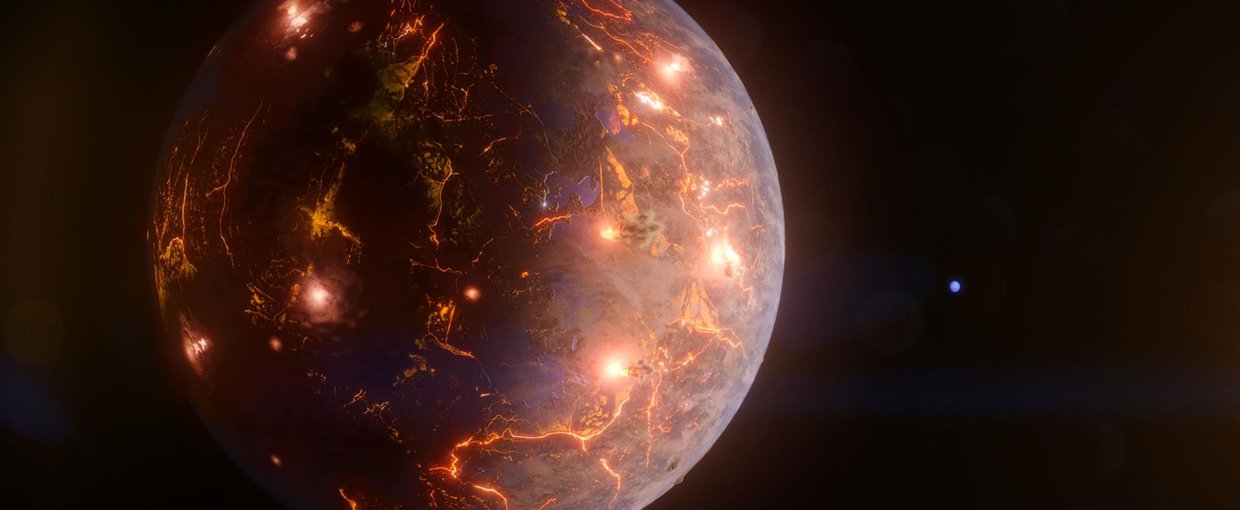
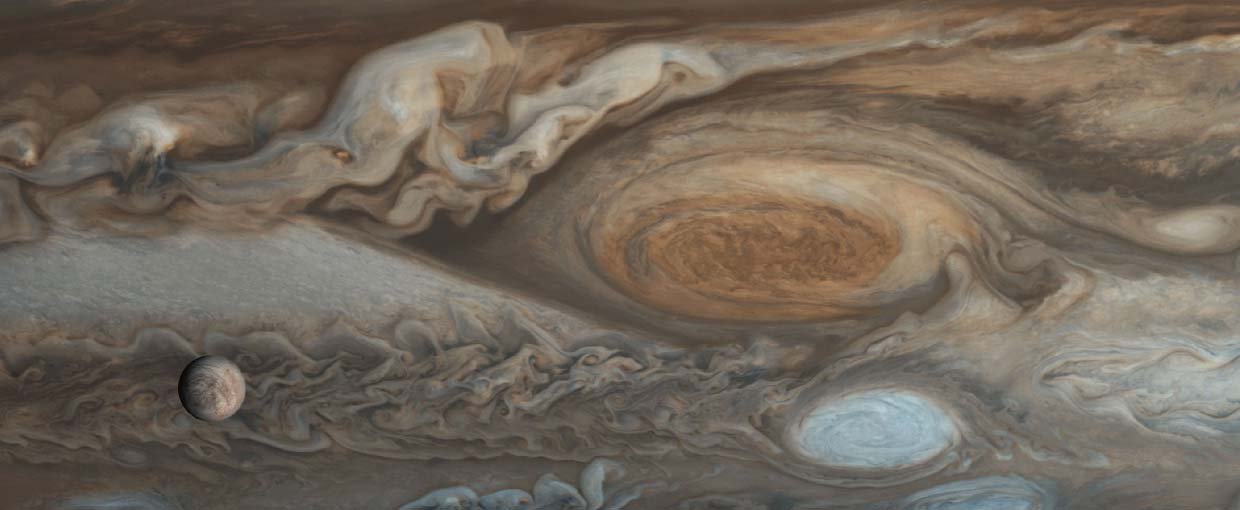
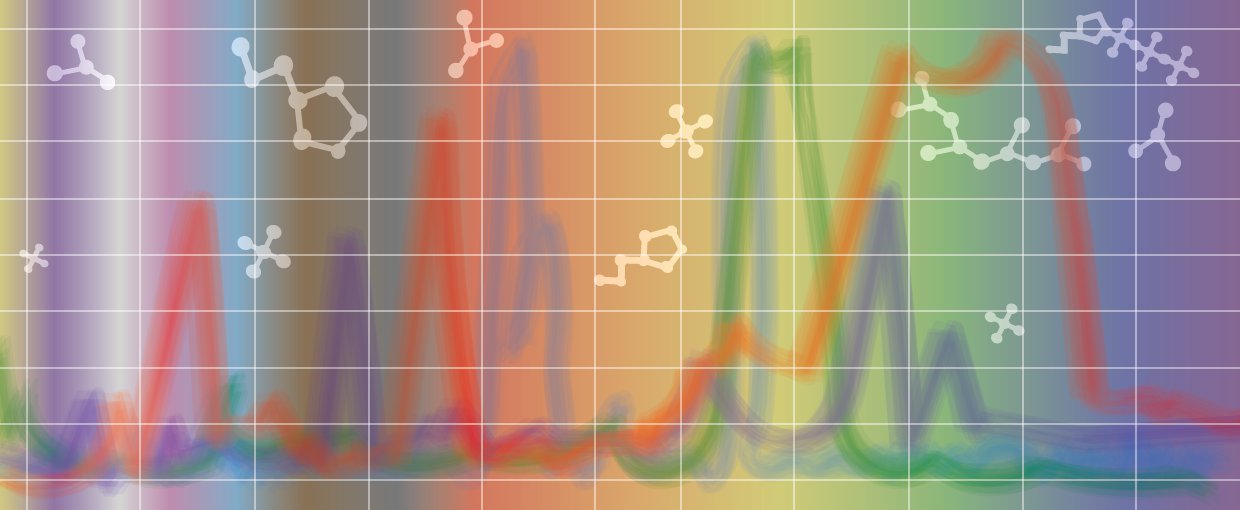
Gilbert-Janizek, S., Meadows, V. S., & Lustig-Yaeger, J. (2024). Retrieved Atmospheres and Inferred Surface Properties for Terrestrial Exoplanets Using Transmission and Reflected-light Spectroscopy. The Planetary Science Journal, 5(6), 148. doi:10.3847/psj/ad381e
Heubeck, C., Beukes, N., De Kock, M., Homann, M., Javaux, E. J., Kakegawa, T., … Kunkel, C. (2024). BASE (Barberton Archean Surface Environments) – drilling Paleoarchean coastal strata of the Barberton Greenstone Belt. Scientific Drilling, 33(2), 129–172. doi:10.5194/sd-33-129-2024
Pou, L., Panning, M. P., Styczinski, M. J., Melwani Daswani, M., Nunn, C., & Vance, S. D. (2024). Tidal Seismicity in the Moon and Implications for the Rocky Interior of Europa. The Planetary Science Journal, 5(6), 142. doi:10.3847/psj/ad47bc
Zammit, M. A., Borg, J., & Adami, K. Z. (2024). Exoplanet host star classification: Multi-Objective Optimisation of incomplete stellar abundance data. RAS Techniques and Instruments. doi:10.1093/rasti/rzae020
Horvath, D. G., & Andrews-Hanna, J. C. (2024). The hydrology of the Jezero crater paleolake: Implications for the climate and limnology of the lake system from hydrological modeling. Earth and Planetary Science Letters, 635, 118690. doi:10.1016/j.epsl.2024.118690
Kaib, N. A., Parsells, A., Grimm, S., Quarles, B., & Clement, M. S. (2024). More realistic planetesimal masses alter Kuiper belt formation models and add stochasticity. Icarus, 415, 116057. doi:10.1016/j.icarus.2024.116057
Ostrander, C. M., Heard, A. W., Shu, Y., Bekker, A., Poulton, S. W., Olesen, K. P., & Nielsen, S. G. (2024). Onset of coupled atmosphere–ocean oxygenation 2.3 billion years ago. Nature, 631(8020), 335–339. doi:10.1038/s41586-024-07551-5
Fernanders, M. S., Gough, R. V., Chevrier, V. F., Boy, D., Boy, J., Carr, C. E., & Tolbert, M. A. (2024). Water Uptake and Release of Nitrate Salt Mixtures of Relevance to the Atacama Desert and Mars. ACS Earth and Space Chemistry. doi:10.1021/acsearthspacechem.3c00371
Gamaleldien, H., Wang, K., Johnson, T. E., Ma, J-F., Abu Anbar, M., Zhang, X. J., … Kirkland, C. L. (2024). Potassium isotopes trace the formation of juvenile continental crust. Geoscience Frontiers, None, 101882. doi:10.1016/j.gsf.2024.101882
Zak, J., Boffin, H. M. J., Sedaghati, E., Bocchieri, A., Changeat, Q., Fukui, A., … Vignes, J. P. (2024). HD 110067 c has an aligned orbit. Astronomy & Astrophysics, 687, L2. doi:10.1051/0004-6361/202450570