

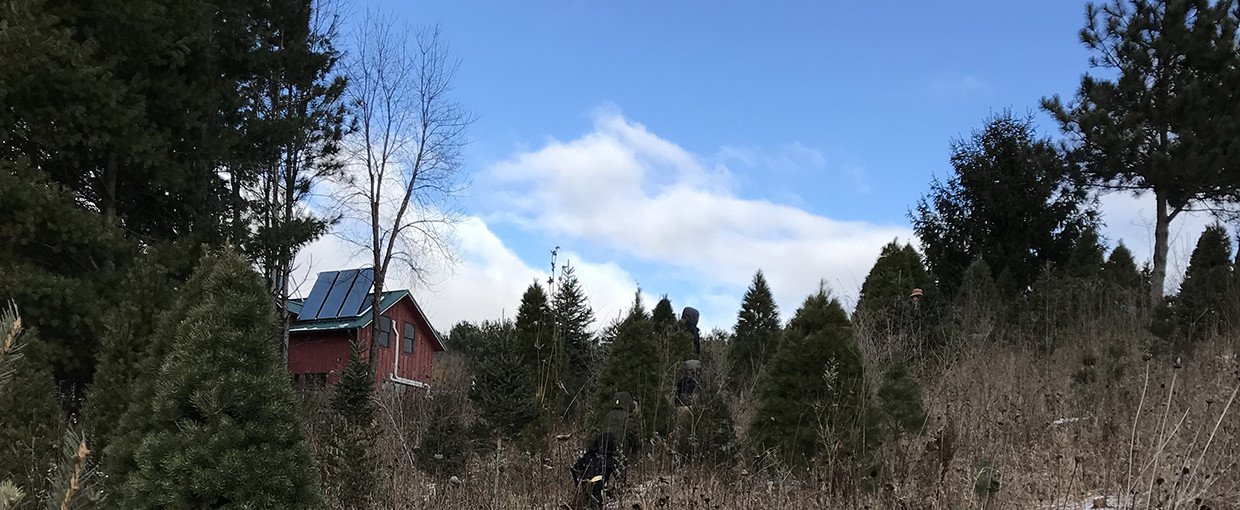
A home in the woods near Decorah, Iowa.Photography by Lindsey Harman of Arrival Arts, Decorah
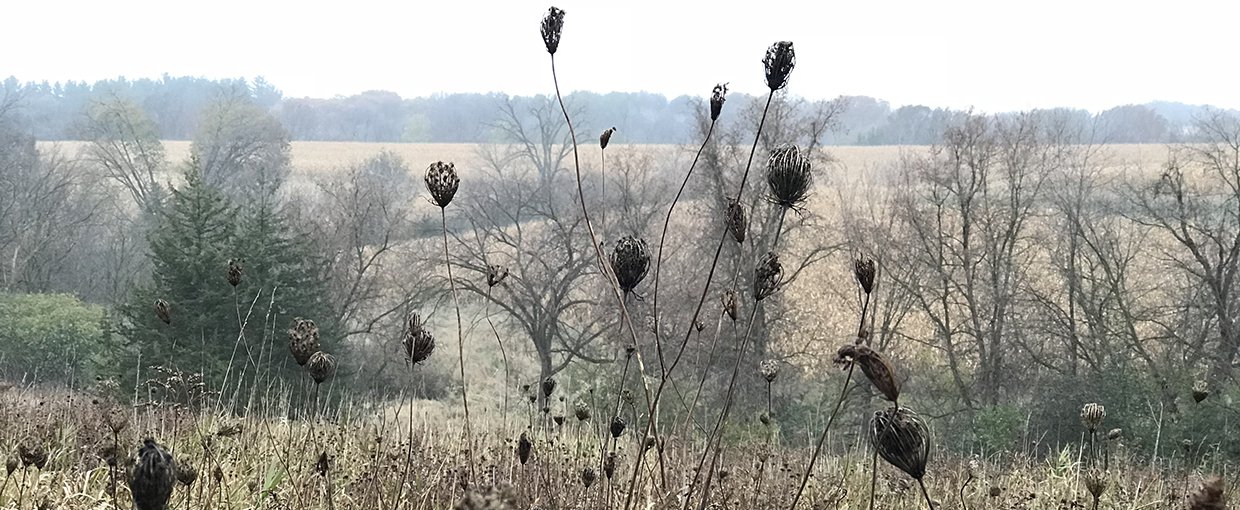
The rolling landscape that surrounds Decorah, Iowa, hides a proposed Middle Ordovician impact structure.Photography by Lindsey Harman of Arrival Arts, Decorah
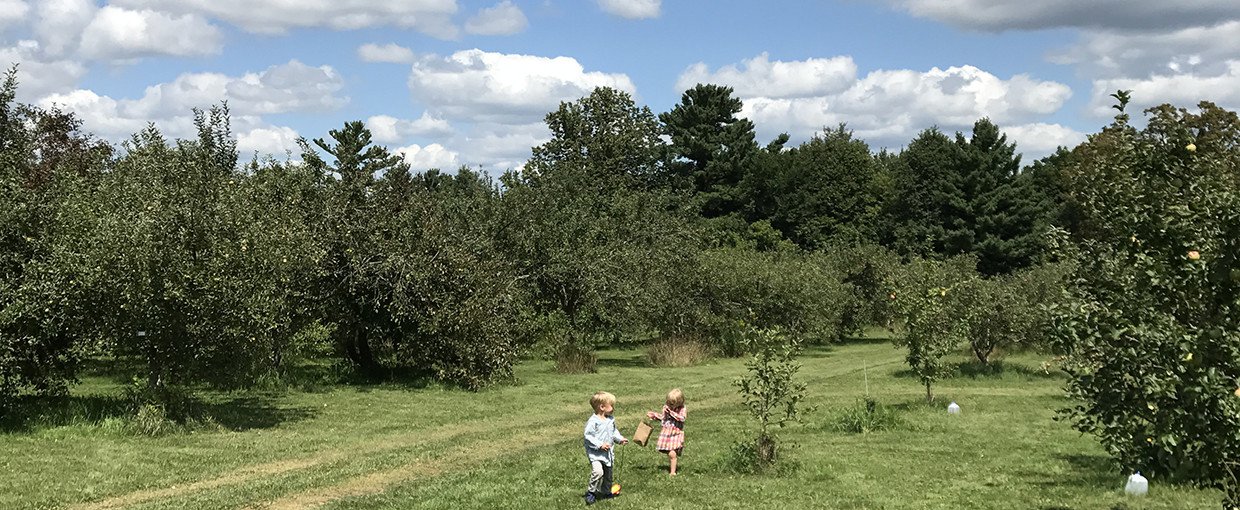
Children play in the wooded landscape near Decorah, Iowa.Photography by Lindsey Harman of Arrival Arts, Decorah
An astrobiology field site may not be the first thing that comes to mind in the picturesque bluffs, rivers, and woodlands of northeastern Iowa, but fossils from the region are helping scientists understand an important period in the history of life on Earth.
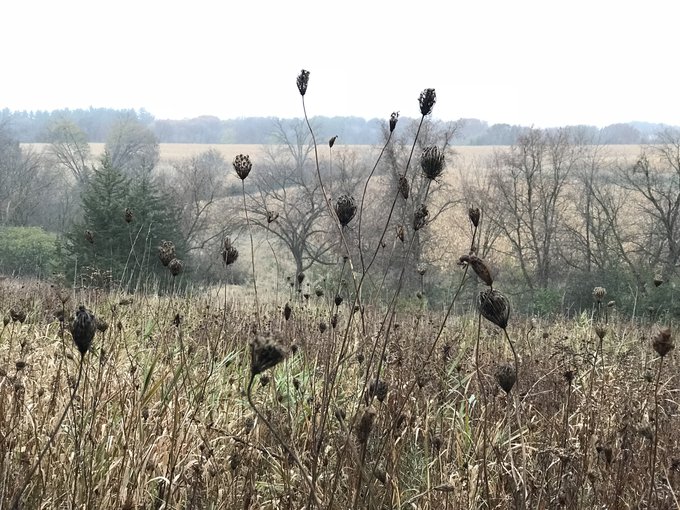
The rolling landscape that surrounds Decorah, Iowa, hides a proposed Middle Ordovician impact structure.Image credit: Photography by Lindsey Harman of Arrival Arts, Decorah.
The fossils were collected from a geological formation known as the Winneshiek Lagerstätte, which is located within a proposed meteorite impact structure that was formed roughly 470 million years ago (Mya) in the Middle Ordovician. The impact structure also sits beneath the east side of the city of Decorah, Iowa, and is estimated to be 5.6 kilometers in diameter. Features of the impact structure are not visible at the surface, because it rests more than 15 meters below ground and is covered by Winneshiek shale.
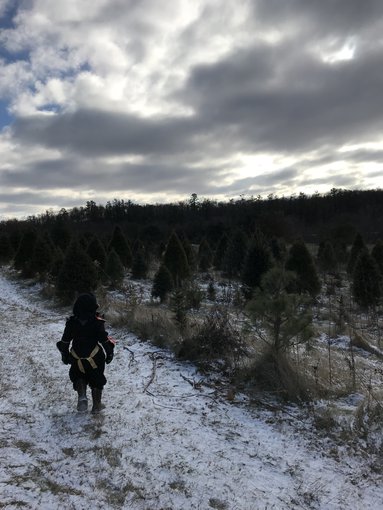
A path along a wooded ridge near Decorah, Iowa.Image credit: Photography by Lindsey Harman of Arrival Arts, Decorah.
After formation, the impact structure was filled with sediments of Winneshiek Lagerstätte, and it is these sediments that have drawn the attention of astrobiologists. The Lagerstätte contains an unusual collection of Ordivician marine fauna, which are preserved as fossils today. This includes phyllocarid crustaceans, linguloid brachiopods, and jawless fish. Associated with these organisms are morphologically varied, vermiform (worm-like) bromalites – the fossilized material from the digestive system of organisms.

A child stands beneath one of the many bluffs that make up the landscape of Decorah, Iowa.Image credit: Photography by Lindsey Harman of Arrival Arts, Decorah.
Now, a team of astrobiologists has performed a compositional a microstructural analysis of the vermiform fossils in order to answer some questions about their origins, or their taphonomy and biological affinities. Taphonomy refers to the study of what has transpired (e.g. chemical, biological, and physical processes) in the time between an organism’s death, and the discovery of its fossil remains. The bromalites share some similarities to previously documented samples from both older and younger sediments. One outcome is that samples show evidence of predation in the marine community of the Winneshiek during the Great Ordovician Biodiversification Event, a time that coincides with a spectacular increase in marine biodiversity.
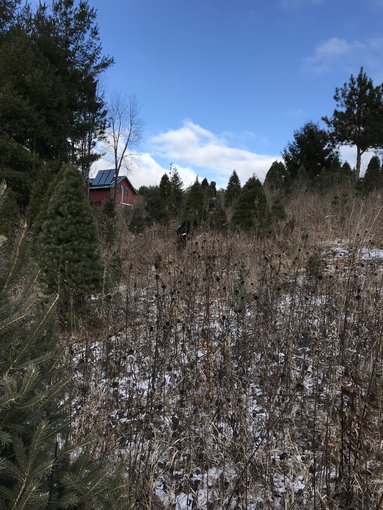
A home in the woods near Decorah, Iowa.Image credit: Photography by Lindsey Harman of Arrival Arts, Decorah.
The study, “Taphonomy and Biological Affinity of Three-Dimensionally Phosphatized Bromalites from the Middle Ordovician Winneshiek Lagerstatte, Northeaster Iowa, USA,” was published in the journal PALAIOS. The work was supported by NASA Astrobiology through the Exobiology & Evolutionary Biology Program.
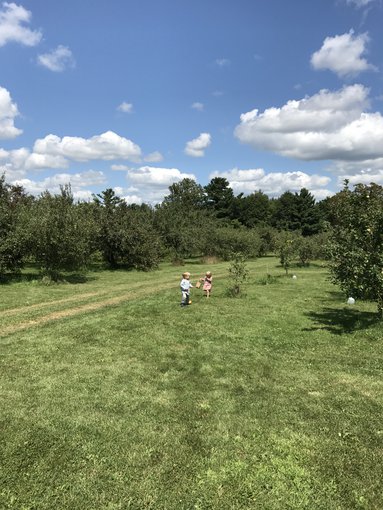
Children play in the wooded landscape of the Seed Savers Exchange near Decorah, Iowa. Credit: Photography by Lindsey Harman of Arrival Arts, Decorah.Image credit: Photography by Lindsey Harman of Arrival Arts, Decorah.